
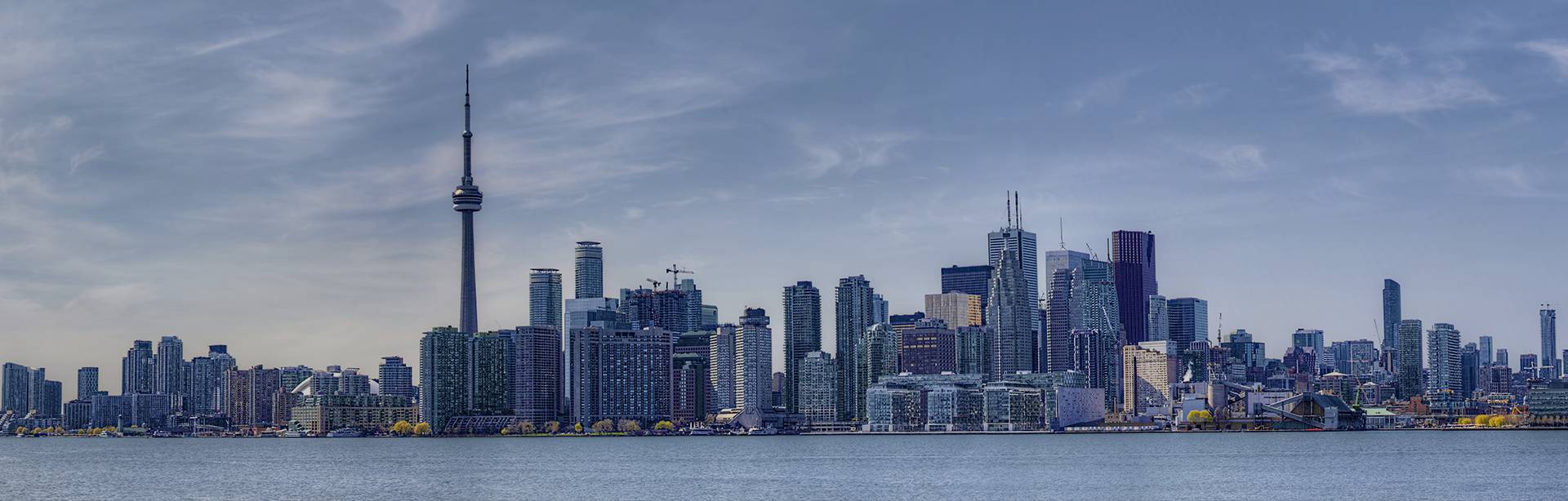
Temporary Resident Visa Canada Easy & Trusted Guide 2025
Canada is a land of opportunities, welcoming millions of visitors each year. Whether you wish to visit family, explore its breathtaking landscapes, study, or business, a Temporary Resident Visa (TRV) Canada often serves as your gateway. This visa allows foreign nationals to enter Canada legally for a limited period.
At Suma Law, we understand that navigating Canadian immigration rules can feel overwhelming. That’s why we’ve created this in depth guide to give you clarity, confidence, and step-by-step information on obtaining a TRV.
What is a Temporary Resident Visa (TRV) in Canada?
A Temporary Resident Visa (TRV), also known as a visitor visa, is an official document issued by Immigration, Refugees and Citizenship Canada (IRCC). It is placed in your passport and proves that you meet the requirements to enter Canada temporarily.
This visa is required for individuals from countries that are not visa-exempt. Depending on your purpose, it may allow you to:
- Visit family or friends.
- Tour Canada’s attractions
- Conduct short-term business activities.
- Study for up to 6 months without a study permit.
- Attend conferences, events, or training.
Why is a TRV Important?
Many travellers assume they can enter Canada freely, but entry requirements vary by nationality. Without a TRV (if your country requires one), you will be denied boarding at the airport or refused entry at the Canadian border.
In essence, a TRV is your legal ticket to Canada ensuring smooth travel and avoiding complications with border officers.
Who Needs a Temporary Resident Visa for Canada?
Not all foreign nationals require a TRV. The need depends on your citizenship:
- Visa-Exempt Countries: Citizens of countries like the United States, the UK, Japan, Australia, and most of Western Europe usually do not need a TRV. Instead, they may require an Electronic Travel Authorisation (eTA).
- Visa-Required Countries: Nationals of countries such as India, China, Pakistan, the Philippines, Nigeria, and many others must obtain a TRV before entering Canada.
It’s important to check the official IRCC list or consult with a Canadian immigration lawyer to confirm your requirements.
Types of Temporary Resident Visas
Canada offers different categories of TRVs based on purpose and duration:
1. Single-Entry Visa
- Allows one-time entry into Canada.
- Once you leave (except to the U.S. or St. Pierre and Miquelon), you’ll need a new visa to re-enter.
2. Multiple-Entry Visa
- Valid for up to 10 years or until your passport expires.
- Lets you enter and leave Canada multiple times.
- Most TRV applicants are automatically considered for multiple-entry visas.
Eligibility Requirements for a Temporary Resident Visa Canada
To obtain a TRV, you must prove to the Canadian visa officer that you will respect Canadian immigration laws and leave before your visa expires.
Key eligibility criteria include:
- Valid passport (must not expire during your stay).
- Good health (medical exam may be required).
- No criminal record or immigration-related offences.
- Strong ties to your home country, such as employment, property, family, or financial commitments.
- Proof of funds to cover your stay and return travel.
- Purpose of visit, clearly explained with supporting documents.
Documents Required for a TRV Application
When applying for a Temporary Resident Visa Canada, you will need to prepare:
- Completed IMM 5257 (Application for Temporary Resident Visa) form.
- Valid passport with blank pages.
- Recent passport-size photos (meeting Canadian specifications).
- Proof of financial support (bank statements, pay stubs, employment letter).
- Travel itinerary or letter of invitation (if visiting family/friends).
- Proof of ties to your home country.
- Medical exam results (if applicable).
- Police clearance certificate (if requested).
Step-by-Step: How to Apply for a Temporary Resident Visa Canada
Step 1: Determine Your Eligibility
Check if you need a TRV or an eTA, depending on your nationality.
Step 2: Gather Documents
Collect all necessary documents, including financial statements, a passport, and supporting evidence.
Step 3: Complete the Application
- Apply online through the IRCC website.
- Alternatively, you can apply on paper at a Visa Application Centre (VAC).
Step 4: Pay the Fees
- TRV application fee: CAD $100 per person
- Biometrics fee: CAD $85 per person
Step 5: Provide Biometrics
Most applicants will need to provide fingerprints and a photo at a local Visa Application Centre.
Step 6: Wait for Processing
Processing times vary depending on your country of residence and the volume of applications.
Step 7: Receive Your Decision
If approved, your TRV will be stamped in your passport.
Common Reasons for TRV Refusals
Many applicants are refused due to mistakes or weak applications. Common reasons include:
- Lack of sufficient financial proof.
- Weak ties to the home country.
- Incomplete or inaccurate application.
- Travel history concerns.
- Failure to demonstrate the genuine intent of the temporary stay.
Tip: A Canadian immigration lawyer can significantly improve your chances of approval by ensuring your file is complete and persuasive.
Can You Extend a Temporary Resident Visa in Canada?
Yes, if you are already in Canada and your TRV is expiring, you can apply for a Visitor Record before your status expires. This extends your legal stay, but it is not the same as a TRV it only allows you to remain inside Canada, not re-enter if you leave.
Temporary Resident Visa vs. Electronic Travel Authorisation (eTA)
While both serve as entry requirements, they differ:
- TRV: Needed for visa-required travellers, physically stamped in passport.
- eTA: Needed for visa-exempt travellers arriving by air, electronically linked to the passport.
How Long Can You Stay on a TRV?
Generally, visitors are allowed to stay for up to 6 months in Canada. The exact duration is determined by the border services officer when you arrive.
If you wish to stay longer, you must apply for an extension before your authorised stay expires.
The Role of an Immigration Lawyer in TRV Applications
Applying for a TRV may seem straightforward, but Canadian immigration law is complex. A small mistake can lead to delays or refusals. At Suma Law, our experienced immigration lawyers can:
- Assess your eligibility and guide you on the best visa option.
- Prepare a strong, error-free application.
- Draft persuasive legal submissions if needed.
- Help with refusals, appeals, or reapplications.
Why Choose Suma Law for Your TRV Application?
At Suma Law, we pride ourselves on professionalism, integrity, and results. Our lawyers are committed to providing clear, trustworthy legal guidance. We understand that your Canadian journey is important, and we stand by your side from start to finish.
Whether you’re visiting loved ones, exploring business opportunities, or simply travelling, our team ensures your application is handled with precision.
Final Thoughts
A Temporary Resident Visa Canada is your pathway to experiencing the country’s culture, opportunities, and diversity. However, the process can be complex, with strict requirements and high refusal rates.
By working with a trusted Canadian immigration lawyer like Suma Law, you can increase your chances of success and travel with peace of mind.
Ready to apply for your Temporary Resident Visa Canada? Let our legal experts guide you every step of the way.
Contact Suma Law today to book a consultation and start your application with confidence.
Visit us: sumalaw.com

